

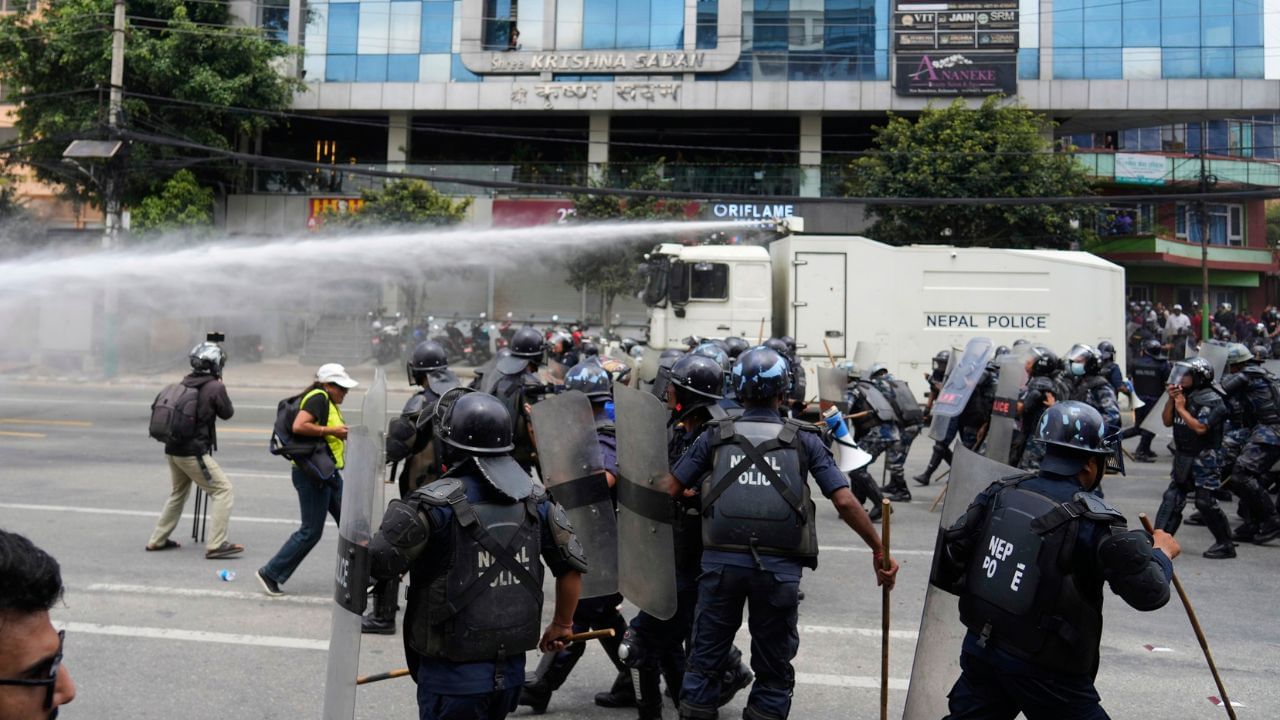
A significant portion of Nepal’s population is now protesting in the streets, signaling a major crisis for the Oli government. The protests are fueled by the government’s recent ban on a multitude of social media platforms, encompassing popular apps like Facebook, Instagram, and Twitter. The government claims that these platforms failed to adhere to registration protocols. However, the younger generation sees this as an infringement on their right to express themselves, with many perceiving it as a method to silence criticism of government corruption.
The ban follows Prime Minister K.P. Sharma Oli’s return from a trip to China, prompting speculation that the government seeks to impose Chinese-style censorship and strengthen ties with China. The selective enforcement of the ban has drawn scrutiny, as it disproportionately targets American platforms while allowing Chinese apps to function freely. This disparity has intensified public concerns about the government’s political direction.
The youth are greatly concerned by the impact of the social media ban. Many depend on these platforms for income, and fear the ban will negatively impact their educational opportunities. The protests are escalating and show no signs of slowing. The youth-led uprising is now a serious challenge to the authority of the Oli government. The situation remains highly dynamic, with the potential for further political unrest and a growing demand for governmental accountability.