

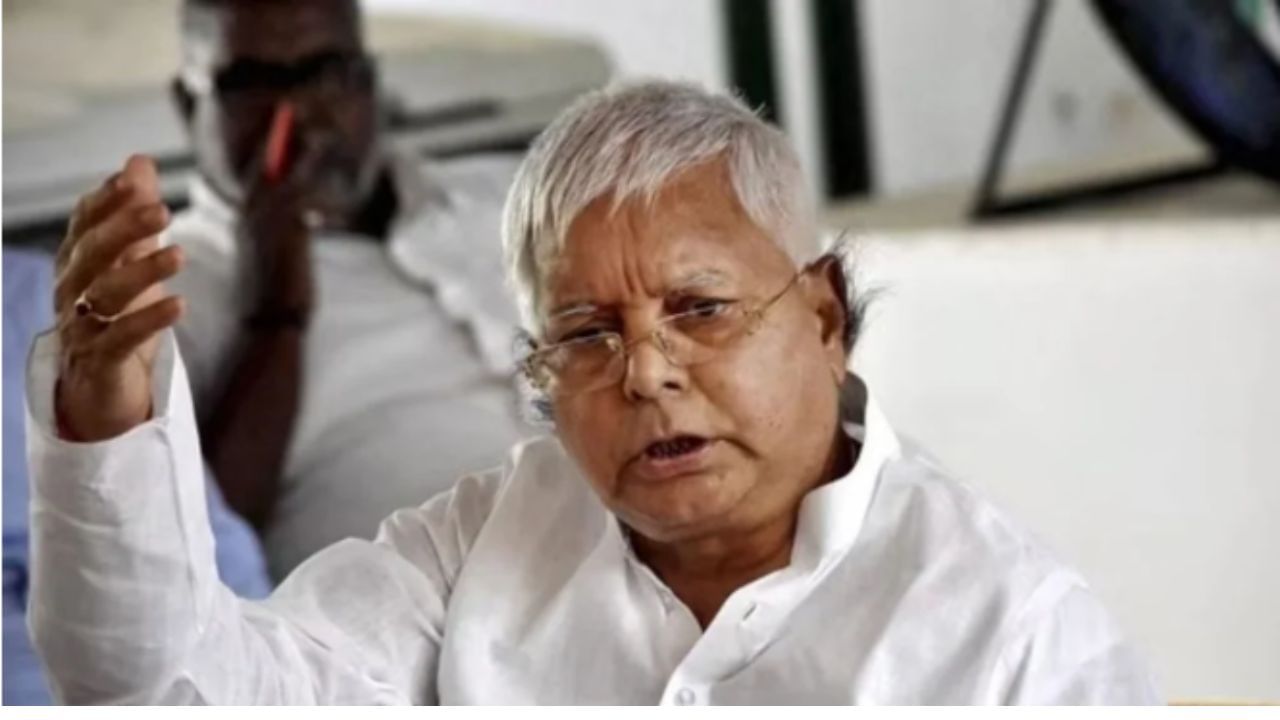
The Delhi High Court convened on September 8th for a hearing concerning the land-for-jobs case, with former Railway Minister Lalu Prasad Yadav as a central figure. Yadav’s legal counsel presented arguments, seeking the cancellation of the CBI FIR. Senior Advocate Kapil Sibal, acting on behalf of Yadav, asserted that the FIR was registered without proper authorization. Sibal contended before Justice Ravinder Dudeja that the PC Act mandates prior approval for FIRs, which had not been obtained in this instance. He maintained that the CBI’s actions were taken without the necessary permissions.
According to Sibal, the entire investigation lacked legal standing, as it was initiated without the required approvals. He also emphasized that since Yadav was the Railway Minister, approvals were indeed necessary. The main focus, as highlighted, was to seek the quashing of the FIR, thus effectively halting the investigation. In detailing the allegations, Sibal explained that Yadav, while serving as Railway Minister, was accused of providing Group D jobs in exchange for land. Furthermore, it was alleged that he coerced railway officials to appoint individuals based on falsified documents. Yadav’s stance is he didn’t make any recommendations. This was the work of the Indian Railways officers. He asks why he is being prosecuted if there is no evidence. They say they have not taken any permission from the officers and are saying that they acted with care and said that they will take cognizance later.
Kapil Sibal also highlighted that approval was required, since Lalu Yadav, in his role as Railway Minister, was fulfilling official duties. The legal challenge focused on the lack of such approval, making the FIR and any investigation following it invalid. Their interest is solely in canceling the RC. He contended that filing an FIR and beginning an investigation without the required approvals is unlawful. Yadav’s legal team’s position is that the CBI’s FIR is without merit and should be dismissed.
Following the arguments, the court stated that the absence of necessary approvals would primarily impact offenses under the PC Act, and not IPC. The next hearing date for the case is scheduled for September 25th.