

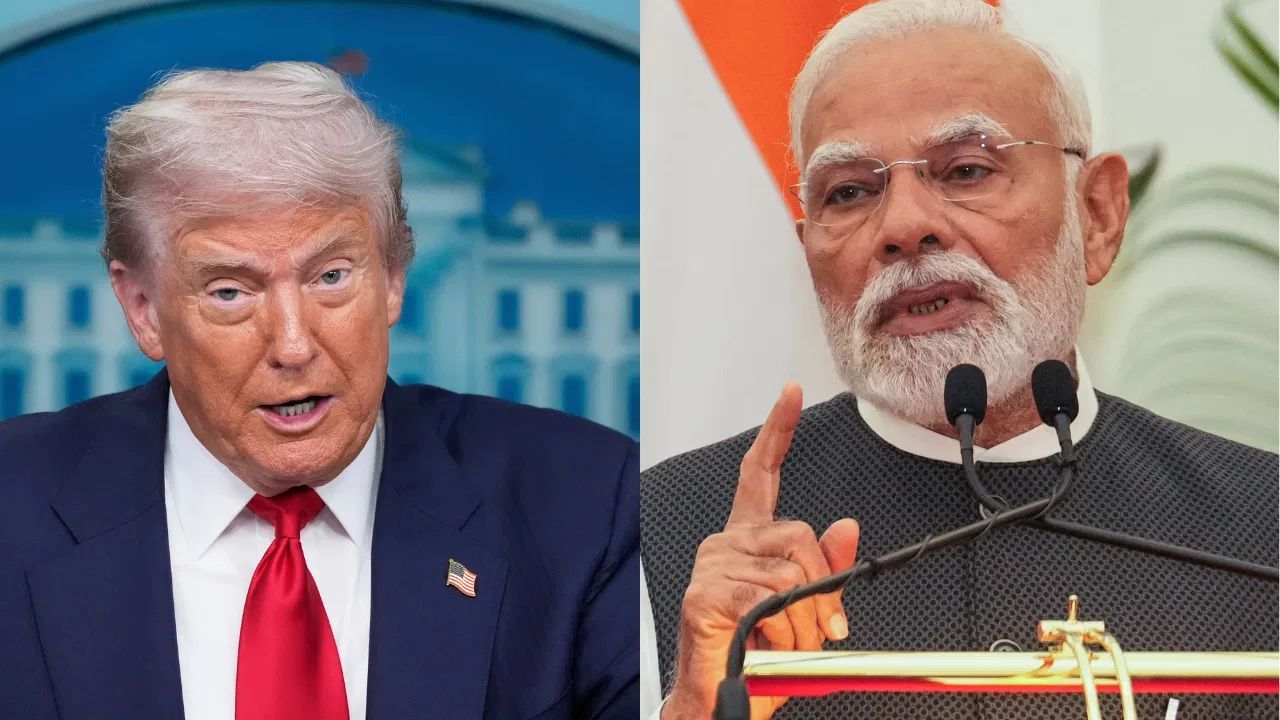
Recent shifts in Donald Trump’s statements on India have prompted closer scrutiny of the evolving relationship between the two nations. Trump initially expressed concern about the U.S.’s perceived loss of influence over India and Russia to China. This was followed by more conciliatory remarks, highlighting his continued friendship with Narendra Modi while simultaneously expressing some reservations regarding current Indian policies. The tariffs placed on India by the U.S. are a key factor in understanding the evolving dynamics.
India’s continued purchase of oil from Russia is a major source of contention. The U.S. imposed a 50% tariff on India, including a 25% penalty, beginning on August 27th, citing India’s imports of Russian oil. India, however, has not altered its stance, maintaining that this policy serves its national interests and contributes to global oil market stability. Indian Finance Minister Nirmala Sitharaman has stated that India would continue buying Russian oil. Foreign Minister S. Jaishankar has also repeatedly emphasized India’s position.
India’s growing assertiveness on the global stage also plays a role. Prime Minister Modi’s participation in the Shanghai Cooperation Organisation (SCO) summit in Tianjin, where he met with Chinese President Xi Jinping and Russian President Vladimir Putin, demonstrated India’s active engagement in multilateral forums. This signals India’s independent foreign policy decisions.
The lack of progress on the bilateral trade agreement (BTA) between India and the U.S. is another element in this complex situation. The U.S. has been pressing India to ease market access for its agricultural and dairy products. India has, however, resisted demands to lower tariffs on these products, prioritizing the interests of its domestic farmers.
India’s participation in the BRICS summit, which will include discussions on addressing U.S. tariffs, is also relevant. The U.S. has imposed similar tariffs on Brazil, the current BRICS chair. The summit will involve countries such as India, China, Russia, South Africa, Indonesia, Iran, and the United Arab Emirates.
In addition, internal disagreements within the U.S. over Trump’s actions have further complicated the matter. Trump’s trade advisor, Peter Navarro, criticized India’s stance on the Russia-Ukraine conflict. This drew criticism from the Hindu community in the U.S. Former National Security Advisor Jake Sullivan also expressed concerns about the strategic implications of the tariffs. India has made it clear that it will not be influenced by the U.S. or any other country in its foreign policy decisions. This reflects India’s increasing role as a power balancer.