

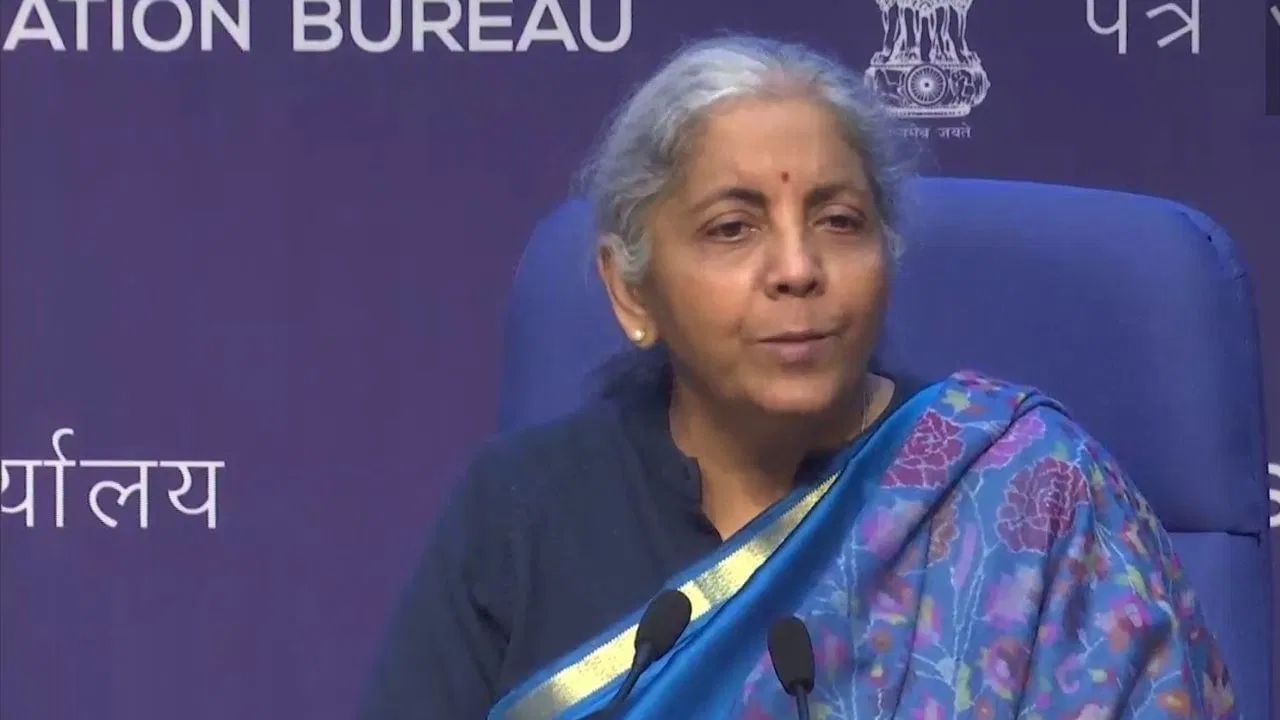
The Swadeshi Jagran Manch (SJM), an economic wing of the RSS, has formally requested Finance Minister Nirmala Sitharaman to re-evaluate the Goods and Services Tax (GST) levied on bidi production and plastic waste recycling. The SJM argues that the current GST rates are negatively impacting employment within these specific industries.
The SJM has proposed that the GST rate for both plastic waste and the bidi industry be reduced and fixed within the 5 percent range. In a letter addressed to Finance Minister Sitharaman, the SJM asserted that lowering the current GST rates—18 percent on plastic waste and 28 percent on bidi manufacturing—is essential to safeguard jobs in both sectors.
The organization further points out that reduced GST rates could indirectly support the goals of the Swachh Bharat Abhiyan by helping to reduce environmental pollution. Ashwini Mahajan, the National Co-Convener of SJM, in his letter, highlighted the adverse impact of the 28 percent GST on bidi production, which he stated is directly affecting employment. He also noted the challenges faced by workers in unregistered bidi manufacturing units, who are often excluded from the social security and welfare programs offered by the government.
Focusing on the plastic waste sector, the SJM is urging for a reduction in the 18 percent GST. Mahajan explained that the current tax rate reduces the income of waste pickers. The SJM’s letter underscores that bidi manufacturing offers significant employment opportunities, especially for women, across numerous Indian states.
The SJM urges that during the upcoming GST Council meeting, the bidi industry should be categorized under the 5% GST rate. This measure, the organization emphasizes, is critical to protect small-scale industries, acknowledging the significant employment generated by those involved in bidi making, tendu leaf collection, and the retail and distribution networks.
Highlighting the need for similar relief for the plastic waste sector, the SJM has requested the Finance Minister to consider the economic realities faced by waste pickers. The SJM noted that countless waste pickers are involved in collecting and recycling plastic waste, supporting their families and contributing to India’s cleanliness goals. The SJM emphasizes that these individuals are among the most economically vulnerable members of society.
In his letter, Ashwini Mahajan further noted that the GST on plastic waste, which was initially 5%, was later increased to 18%, potentially diminishing the financial incentives for waste pickers and thus also jeopardizing the ‘Swachh Bharat’ mission. The GST Council meeting, scheduled to begin on Wednesday, will be chaired by Nirmala Sitharaman and attended by state ministers.