

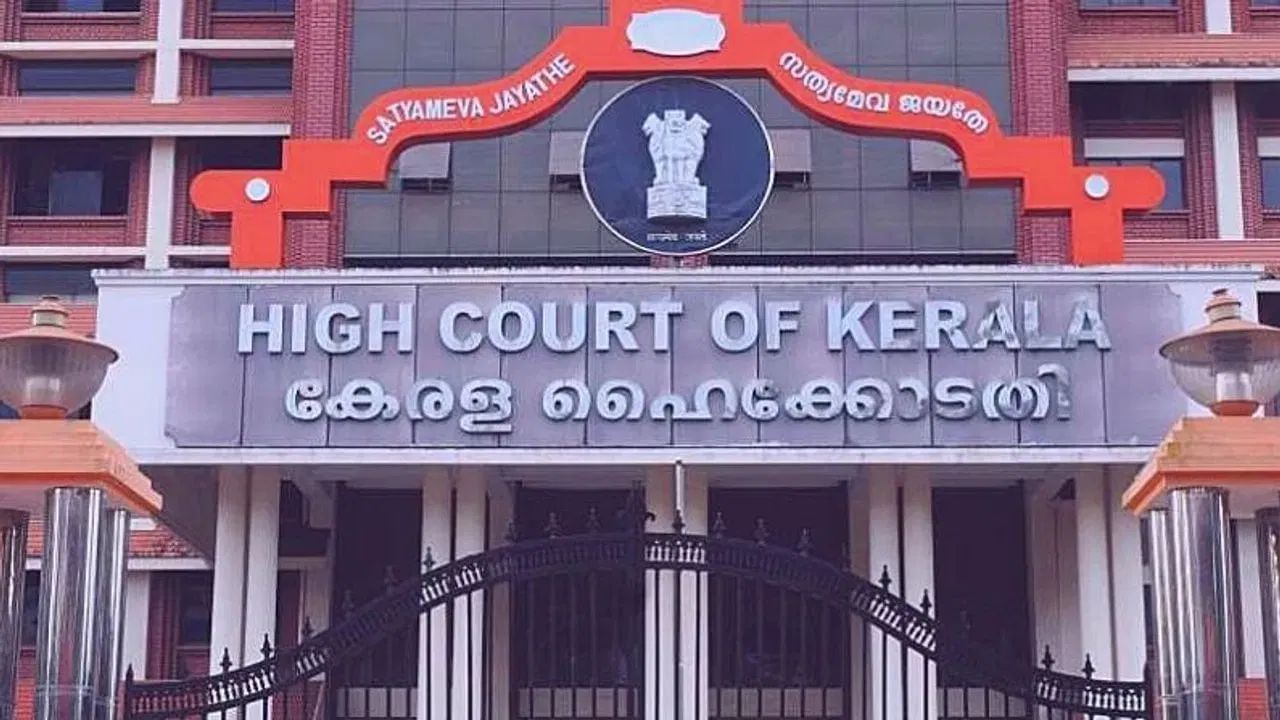
The Kerala High Court has issued a crucial instruction requiring trial court judges to personally examine video evidence in cases where individuals are accused of distributing obscene videos, to accurately determine if the content is obscene. This ruling directly addresses the need for judges to make their own assessments of the evidence, ensuring fair judicial proceedings. The directive stems from a case concerning an individual charged with disseminating videos deemed obscene. The High Court expressed concern that the lower court convicted the accused under Section 292 of the Indian Penal Code (IPC) without an independent verification of the video content presented as evidence. The court pointed out that the trial court neglected to view the video and assess its content before rendering its verdict.
The High Court emphasized that when a video is presented as evidence under IPC Section 292, the court must ascertain whether the content is lascivious or appeals to the prurient interest. The court must also assess if the video has the potential to arouse lust, or corrupt and deprave the viewer’s mind.
The case involved Harikumar, a video shop owner in Kottayam, accused of possessing ten allegedly obscene video cassettes. Following the seizure, the trial court convicted him under various sections of the IPC and sentenced him to two years in prison, along with a fine. This sentence was later reduced to one year, with the fine remaining in place. Harikumar challenged these decisions in the High Court. He argued that the magistrate did not personally view the video content. The prosecution’s case was supported by witness testimony and investigation reports, not a viewing of the video evidence. The High Court clarified that video cassettes are considered primary evidence according to the Indian Evidence Act, 1872. The court subsequently ruled that a direct examination of the cassettes is mandatory when they are claimed to contain obscene material. The High Court further stated that while the testimony of police officers and other witnesses could support findings, it could not replace the need for direct examination. Since neither the lower nor appellate courts had examined the cassettes, the High Court concluded that Harikumar’s conviction was unsustainable, and reversed the original judgment.