

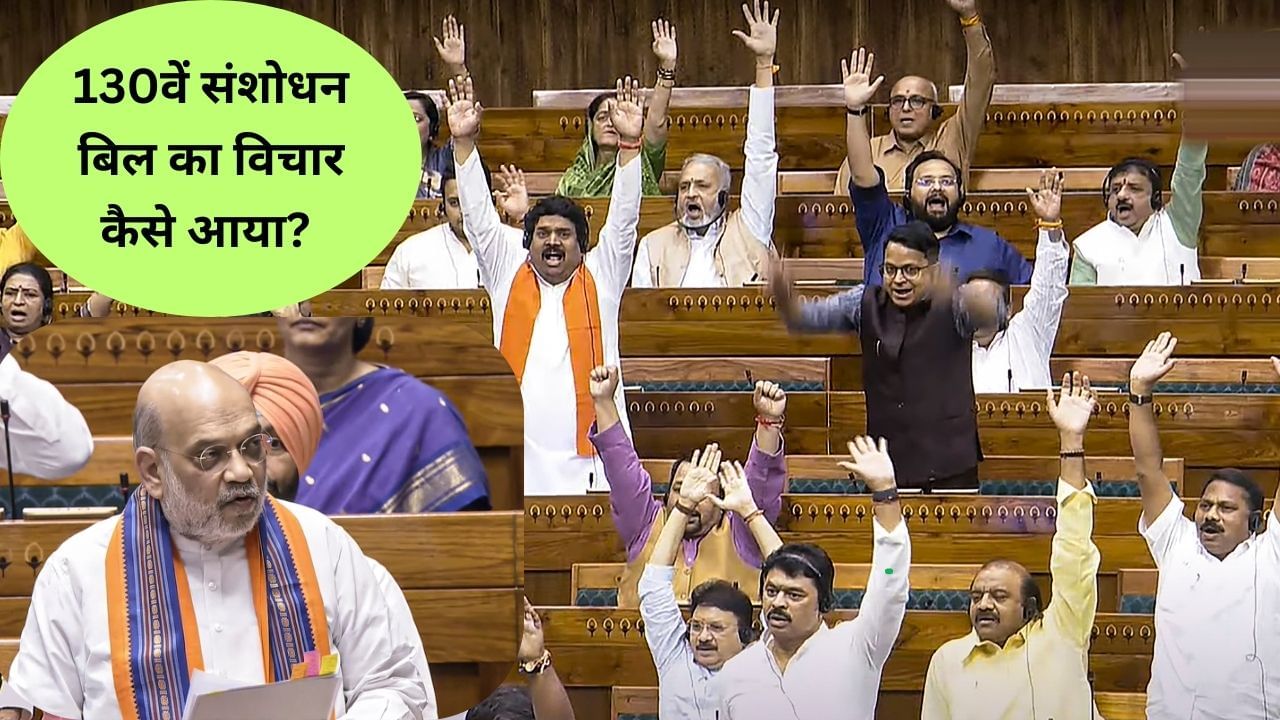
The genesis of the 130th Amendment Bill can be traced back to the situation in Delhi, where the Chief Minister, Arvind Kejriwal, was imprisoned. The inability to remove him from his position without a conviction highlighted a perceived deficiency in the current legal and constitutional framework. This spurred a critical review of the existing provisions.
The government, recognizing the need to address these gaps, embarked on formulating the bill. Key considerations included the perceived decline in the standards of political conduct and the weakening of the value of public accountability among political figures.
During the bill’s presentation, Home Minister Amit Shah referenced his personal experience. He explained that he resigned from his position prior to his own imprisonment. This underscored the significance of ethical conduct.
Opposition parties raised concerns about potential misuse of the bill against them. They fear that central agencies could be used to target their state governments, leading to the political marginalization of their chief ministers.
The bill’s introduction triggered significant protests in the Lok Sabha. Despite these objections, the Home Minister proposed referring the bill to a Joint Parliamentary Committee (JPC) to gather input from all political parties. The JPC, comprised of 31 members, will be tasked with reviewing the bill and reporting back.
If the government manages to allay the opposition’s fears regarding the potential for political abuse, the bill may gain broader acceptance. The legislation can be seen as a measure prompted by the circumstances the court faced in Delhi, emphasizing the need for proactive legal provisions.