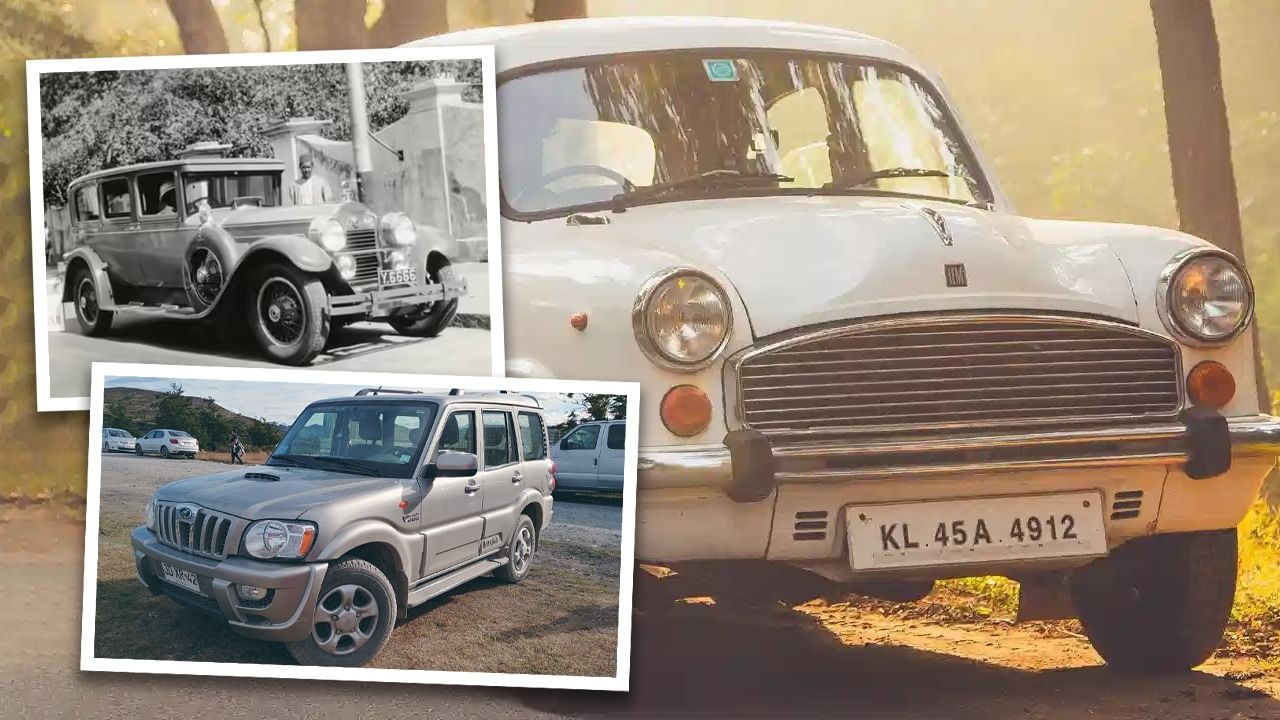

The Indian automotive sector’s journey since independence reflects a remarkable transformation. Initial challenges included limited resources, making car ownership a distant dream. Companies such as Tata Motors, Mahindra & Mahindra, Hindustan Motors, and Premier laid the groundwork. The 1950s and 1960s saw slow growth due to restrictions, with limited vehicle choices. The Hindustan Motors Ambassador, a symbol of prestige, dominated the market for two decades, challenging foreign competitors. The 1980s witnessed Maruti’s entry, with the Maruti 800 revolutionizing the market. Economic reforms in 1991 opened doors to foreign companies such as Hyundai, Honda, and Toyota. Indian companies also evolved, with Tata and Mahindra launching innovative SUVs. By the early 2000s, India became a significant exporter. In 2019, India became the world’s fifth-largest automobile market, generating millions of jobs. The industry is now focused on electric, hybrid, and autonomous driving technologies, with government initiatives and company investments promoting the adoption of EVs.