

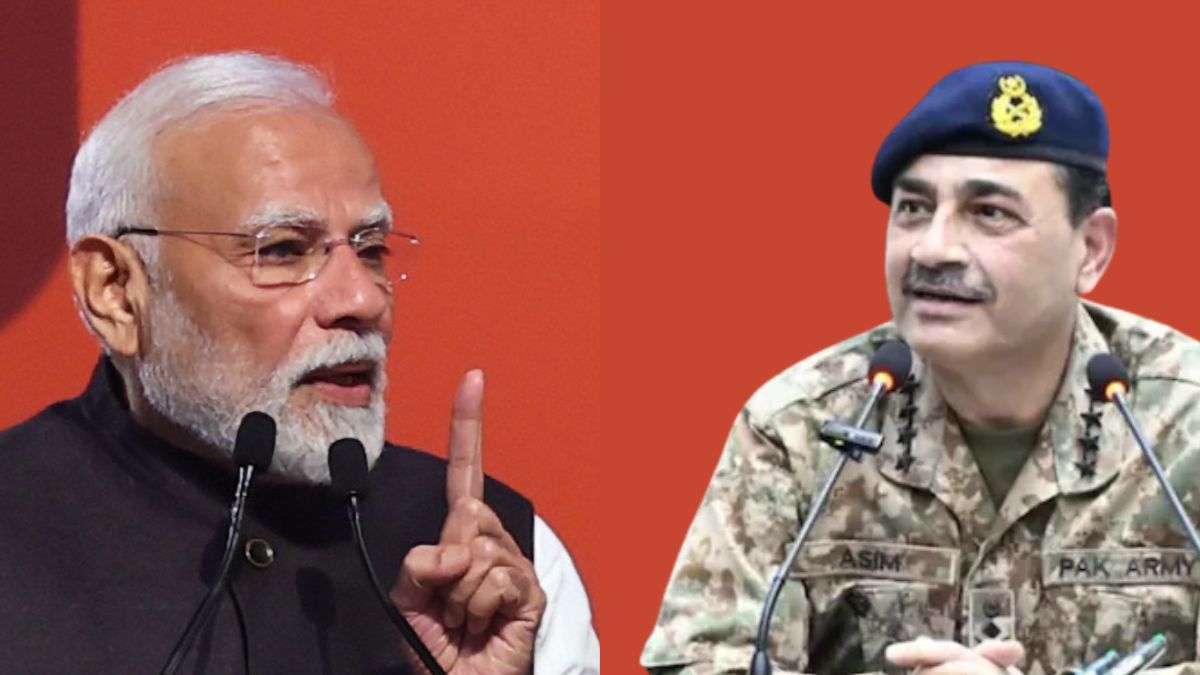
India has strongly criticized Pakistan’s army chief, Asim Munir, over remarks made during his recent visit to the United States, accusing Islamabad of recklessly flaunting its nuclear capabilities. India has raised significant questions regarding the reliability and security of Pakistan’s nuclear command and control system.
The Ministry of External Affairs (MEA) issued a strong condemnation, describing the comments by the Pakistani military leadership as ‘irresponsible’ and stating that they reinforce existing doubts about the safety and responsibility surrounding Pakistan’s nuclear weapons.
The MEA declared that Pakistan’s pattern of ‘nuclear sabre-rattling’ is well-established. The statement invites the international community to draw its own conclusions regarding the irresponsibility inherent in such remarks, which exacerbate concerns about the integrity of nuclear command and control within a state allegedly entangled with terrorist groups.
During the US visit, Asim Munir reportedly stated that Pakistan would not hesitate to ‘destroy half the world’ if its existence were threatened in a future war with India. This remark is viewed as the first known nuclear threat made from US soil. He reportedly said, ‘We are a nuclear power. If we feel that we are being finished, we will take half the world with us.’ Munir also warned that any Indian structure built on the Indus river system that could disrupt water supply to Pakistan would be completely destroyed. He also emphasized Pakistan’s extensive missile capabilities.
Furthermore, he alleged that India’s decision to suspend the Indus Water Treaty following the terrorist attack in Pahalgam in April could put approximately 250 million people at risk of starvation.
The MEA statement also expressed regret that these remarks were made from a friendly third country. India has reiterated its stance against nuclear blackmail, stating its commitment to take all necessary measures to safeguard national security. This statement is released amidst escalating tensions between India and Pakistan, both possessing nuclear weapons, which once again brings the matter of security and stability in South Asia to the forefront.