

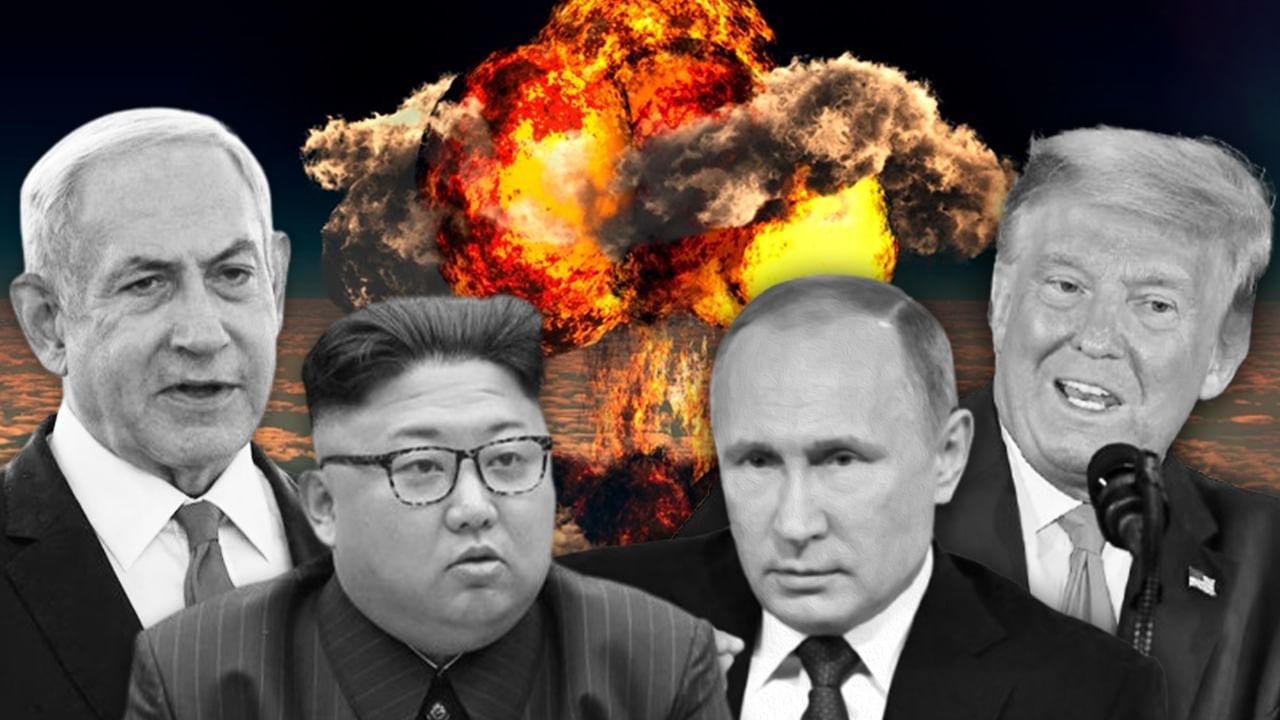
The memory of Hiroshima, where a devastating atomic bomb was dropped 80 years ago, serves as a crucial reminder of the potential for destruction. Today, the world faces increasing global tensions and the growing specter of nuclear conflict. The possibility of a Third World War and the potential use of nuclear weapons are being widely discussed.
The ongoing conflict between Russia and Ukraine, combined with statements from leaders such as Putin, has amplified fears of nuclear war. Russia has conducted nuclear war exercises, and the United States has responded by deploying nuclear submarines. The situation between India and Pakistan is also highly volatile, with both nations possessing nuclear capabilities and with threats exchanged between them. The dynamics between North and South Korea, with North Korea’s nuclear program and threats, further contributes to global nuclear concerns.
Israel’s and Iran’s escalating tensions, and suspicions over Iran’s nuclear program, add another layer of complexity. A recent YouGov survey highlights growing public concern: a significant percentage of people across Europe and the United States believe a Third World War is likely within the next decade, with a significant proportion anticipating the use of nuclear weapons and with the possibility of even greater devastation than Hiroshima. Public perception reveals Russia as the main threat. There is some apprehension in Europe regarding the US’s role.