

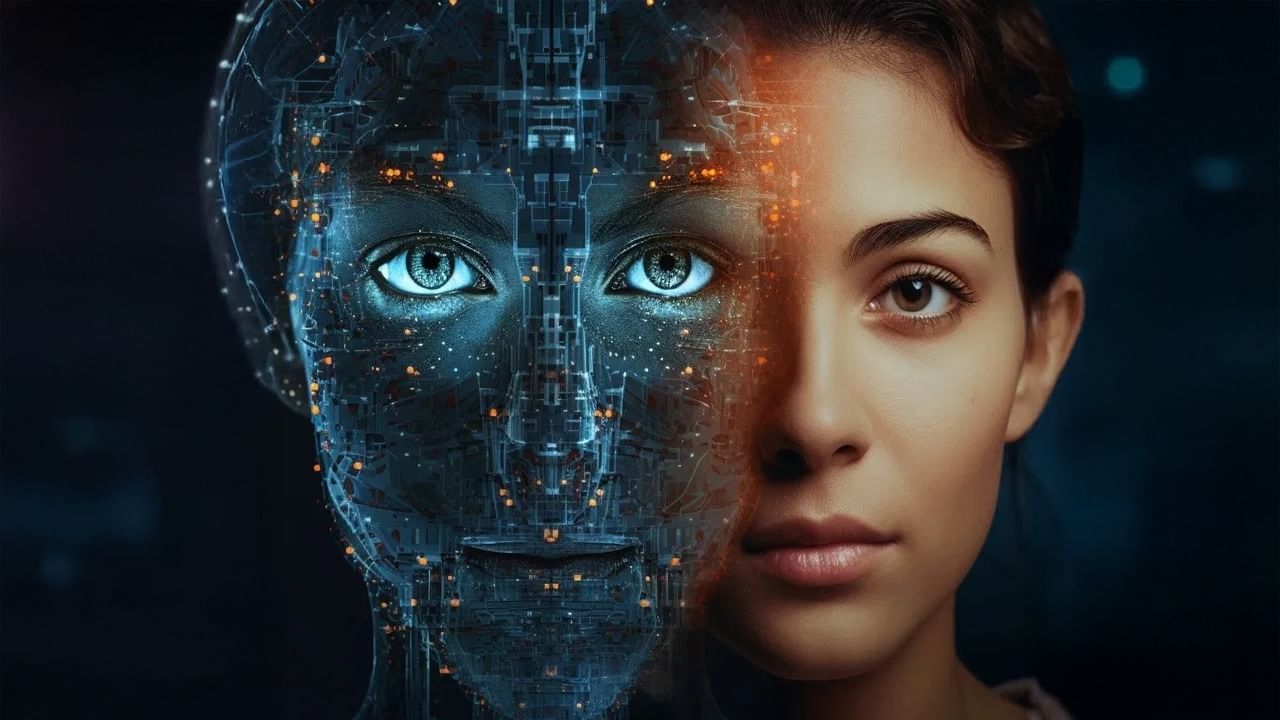
The increasing sophistication of artificial intelligence has given rise to deepfakes, which are manipulated audio and video creations capable of inflicting harm on individuals and disrupting societal trust. The government is actively working on implementing stringent regulations to counter this rising threat. Denmark is leading the way by establishing strict legal measures against the unauthorized use of people’s voices or images, with severe consequences for those distributing deepfake content. Social media platforms will be required to remove these manipulated materials.
Deepfake technology is built upon advanced AI, particularly artificial intelligence and machine learning, which enable the modification of existing audio and video content or the creation of entirely fabricated content that appears genuine. The term ‘deepfake’ combines ‘deep learning’ with ‘fake,’ emphasizing the technology’s foundation in deep learning techniques.
Deepfake creation depends on machine-learning models, using two crucial algorithms: an encoder and a decoder.
* **Encoder:** This algorithm examines the real person’s video or image, capturing facial expressions and vocal characteristics.
* **Decoder:** After the encoder, the decoder integrates these captured characteristics into a different video or audio, repeating the process until a convincing replica is produced.
**Hazards Presented by Deepfakes:**
* **Political Deception:** False information about political figures can be spread during elections.
* **Social Extortion:** Fabricated material can be created to damage reputations and blackmail people.
* **Misinformation Dissemination:** False news stories can be spread, potentially causing unrest.
* **Cybercrime Facilitation:** Scams and identity theft can be facilitated.
**Deepfake Misuse:**
* Distributing false news and misinformation
* Damaging reputations and cyberbullying
* Generating social and political instability
* Enabling fraud and scams
* Eroding trust
**Safeguarding Measures:**
* Exercise caution before sharing sensational videos.
* Verify the source of videos.
* Utilize tools like Google Reverse Image Search to verify content.
* Avoid blind acceptance of content online.
* Report suspicious content on social media.
**The Future of Deepfakes:**
As AI and machine learning continue to advance, deepfake technology is likely to become more sophisticated, potentially amplifying associated risks. Although there are positive applications for the technology, the potential for its misuse is substantial.
**International Collaboration:**
Globally, concerns regarding deepfake technology are escalating. Nations such as the United States, the European Union, and India now regard it as a national security issue. International bodies are advocating for a worldwide framework, allowing individual countries to establish pertinent laws and regulations.