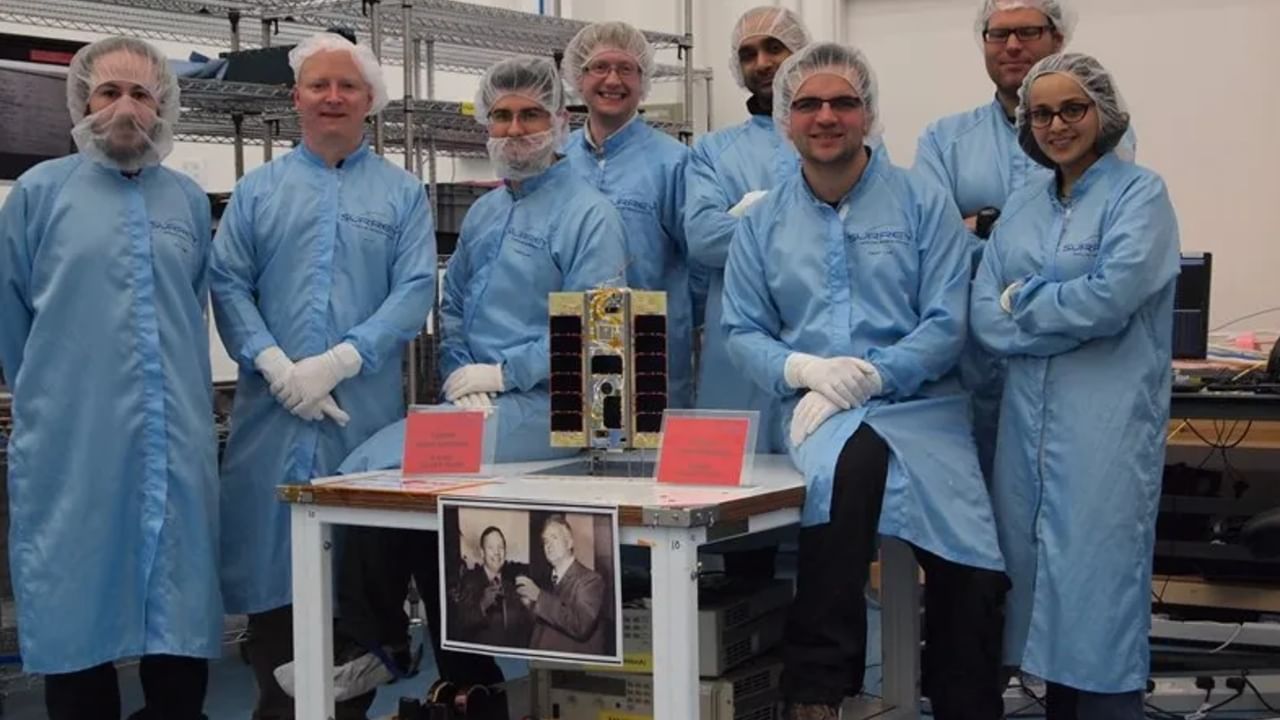

Space missions typically feature astronauts and complex equipment, however, a groundbreaking experiment involved launching a smartphone into space. The Google Nexus One, a device readily available to the public, was sent to orbit in a remarkable initiative. The University of Surrey (UK) initiated this test in 2013 to assess if a regular smartphone could be used to operate a satellite. The Nexus One was installed inside the Strand-1 satellite for this experiment. This small satellite was just 30 centimeters in length and launched to an altitude of about 784 kilometers. The satellite was equipped with the Nexus One, connected via a USB cable. The phone was loaded with custom software, as well as an app designed to assess whether sounds could be heard in space. The Nexus One phone, designed for everyday use, featured a 3.7-inch display, 512MB of RAM, a 1400mAh battery, a 5-megapixel rear camera and was running Android 2.1 OS. In 2012, its retail price was about ₹10,000. The phone was placed directly into the satellite and launched, experiencing a journey similar to that of a rocket. The current location of Google’s space-faring phone remains uncertain. It could be still in orbit, or it may have become space debris, but it has had a huge impact on the field of technology and research.