

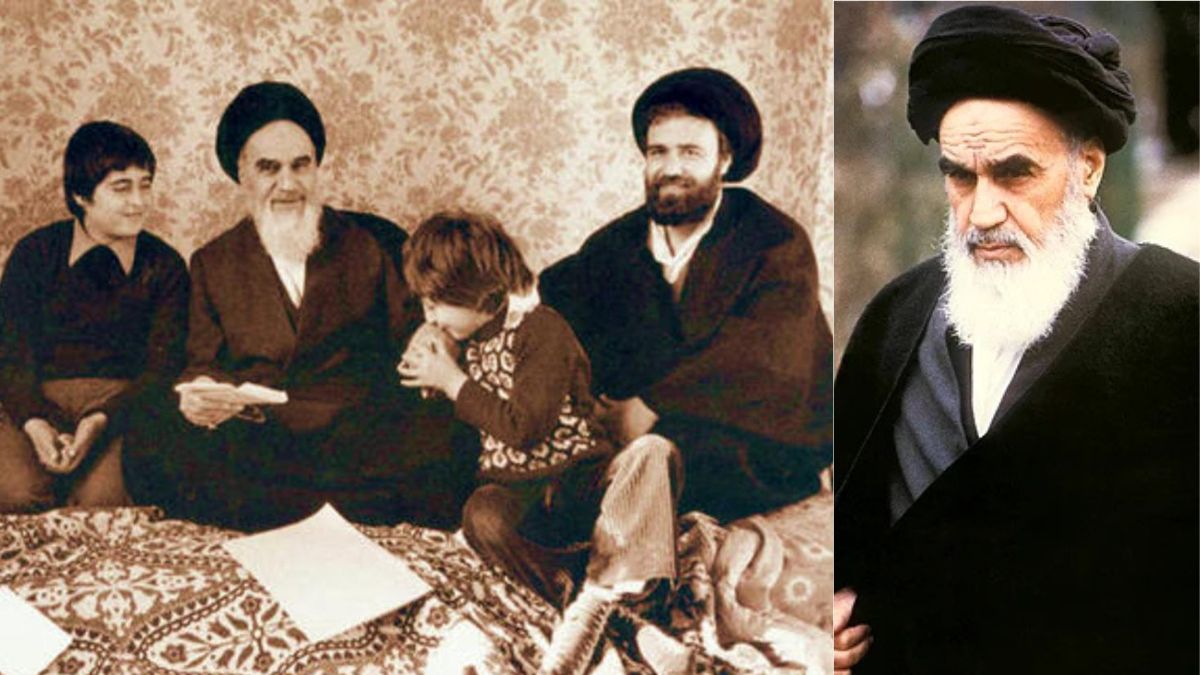
The current tensions between Israel and Iran, driven by attacks on Iran’s military and nuclear sites, are generating global concern. Iran’s strong reactions under Supreme Leader Ayatollah Ali Khamenei are impacting regional and world dynamics. Khamenei, a central figure in the conflict, has a surprising Indian connection. His great-grandfather, Syed Ahmad Musavi Hindi, migrated from Barabanki, Uttar Pradesh, to Iran, significantly influencing the course of Iranian history. This migration, originally a pilgrimage, became a permanent move that transformed the nation.
The architect of the Islamic Revolution, Ayatollah Ruhollah Khomeini, had strong ties to India through his grandfather, Syed Ahmad Musavi Hindi. From a young age, Khomeini was deeply rooted in the Shia faith. The Musavi family’s presence in Kintoor, Barabanki, in the early 1800s, provides a historical context for the family’s journey. Ahmad Hindi’s journey to Najaf in 1830, and his subsequent relocation to Iran, was a turning point. Musavi settled in Khomeyn, married, and raised children, becoming an integral part of Iranian society. His decision to relocate to Iran was crucial in the development of the modern Iranian state.
Musavi’s life and legacy offer insights into the roots of the Islamic Revolution. His teachings influenced generations, ultimately shaping the structure of the Iranian government. His impact on Iran shows the historical ties between India and Iran, and how the Islamic Revolution developed.